
Content Calendar Planning
Overview
Digital landscape, creating content alone is not enough. Brands need a clear strategy behind every piece of content and a smart distribution plan to ensure it reaches the right audience at the right time.
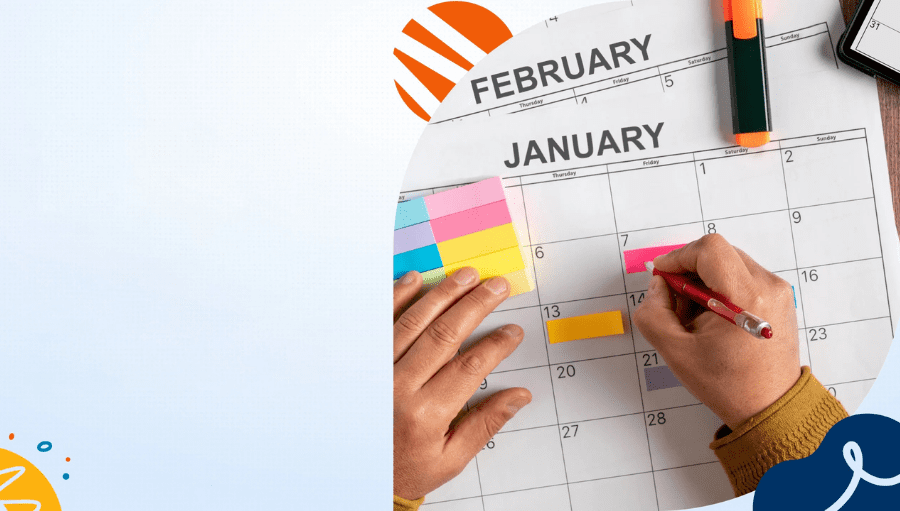
How brands turn ideas into structured
● High-impact content strategies that drive visibility
● Engagement
● Long-term growth

What approach to content strategy goes beyond trends
● Brand voice
● Business goals
● Target audience

Distribution
● Using data-driven insights
● Strong strategy
● Growth engine
READY TO BUILD A CONTENT SYSTEM THAT DRIVES GROWTH?
We turn your ideas into a structured content strategy that delivers consistent results.
HOW WE PLAN & DISTRIBUTE CONTENT
Strategy
& Audience Mapping
We understand your brand, audience, and goals to build a strong content foundation.
Content Planning
& Distribution
We create structured calendars and distribute content strategically across platforms.
Optimization
& Scaling
We analyze performance data and continuously refine the strategy to improve reach, engagement, and growth.
FAQ
Content planning focuses on scheduling and organizing content, while content strategy defines why the content exists, who it’s for, what role it plays, and how it supports brand growth over time.
That depends on the audience, platform behavior, business goals and how people naturally consume content in that category. Not every brand needs the same mix of educational, creator-led, trend-based or promotional content.
Even strong content underperforms if it’s distributed poorly. Timing, platform fit, format and audience behavior all influence whether content actually reaches and resonates with the right people.
It is extremely important. Consistency helps audiences recognize, trust and remember a brand over time. Without consistency, even strong content tends to lose momentum because there’s no clear long-term presence being built.
A strong content strategy usually includes both. Planned content creates consistency, while trend-responsive content helps brands stay relevant and culturally connected.
There’s no fixed number, but consistency matters more than posting excessively. For example, some brands may perform well posting 3–4 times a week on Instagram, while others benefit from more frequent posting. The right posting frequency usually depends on the platform, audience behavior, content quality and the brand’s ability to maintain consistency without making the content feel repetitive or rushed.
Because posting consistently doesn’t automatically mean the content is connecting with the audience. In many cases, brands are active but lack a clear content direction, strong positioning, or platform-specific strategy. Growth usually comes from creating content that people genuinely engage with and remember, not just maintaining posting frequency.
Most brands benefit from planning content at least a few weeks ahead. It creates more consistency, improves production workflows and reduces last-minute decision-making. At the same time, the calendar should stay flexible enough to adapt to trends, campaigns, launches or real-time opportunities when needed.
If every post is trying to sell something, audiences usually disengage over time. The balance depends on the platform and brand goals, but strong content strategies typically combine promotional content with educational, entertaining, community-driven or value-based content that keeps the audience interested beyond just products or offers.
Yes. In many cases, brands already learn a lot from their organic content what people engage with, what formats hold attention and which messaging connects best. Those insights can then be used to guide paid campaigns instead of creating completely separate content strategies for each channel.