
Regional
Campaign Localization
Overview
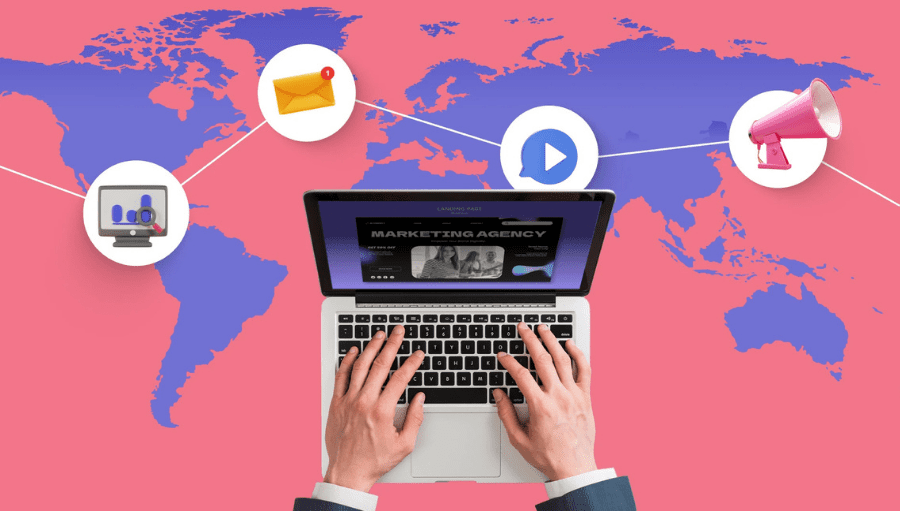
Global campaigns fail when they are simply copied across markets. True localization requires cultural understanding, platform behavior insight, and creative adaptation that feels native to each region.
Our Regional Campaign Localization service helps brands scale globally while staying locally relevant. We adapt influencer and creator-led campaigns so they resonate naturally within regional audiences without losing brand consistency or strategic intent.

Our Strategic Approach
● Market & Cultural Context Analysis
● Localized Messaging & Creative Adaptation
● Platform & Timing Optimization
Why This Works
● Because audiences respond to content that feels native
● Because regional relevance drives stronger trust and engagement

What Brands Gain
● Higher regional engagement
● Stronger cultural alignment
● Reduced creative friction across markets
● Scalable global campaigns with local resonance
Adapting Global Campaigns for Local Impact
Our Regional Campaign Localization service helps brands scale globally while staying locally relevant, ensuring influencer and creator-led campaigns resonate naturally within regional audiences.
OUR STRATEGIC APPROACH
Market & Cultural Context Analysis
We analyze regional culture, content trends, platform behavior, and audience expectations before adapting any campaign.
Localized Messaging & Creative Adaptation
Language, tone, references, and creative formats are adapted so messaging feels natural within each region.
Platform & Timing Optimization
Posting schedules, creator formats, and content cadence are optimized based on regional engagement patterns.
FAQ
Timing can affect visibility significantly because audience activity patterns vary across markets. Engagement behavior, work schedules, platform usage habits and peak activity hours often differ regionally.
Sometimes the campaign was designed around assumptions that only apply to one market. Audience humor, pacing preferences, communication styles and platform behavior often vary more than brands expect.
The core positioning usually remains consistent, while audience-facing elements like tone, pacing, references, visuals or creator delivery are adjusted to feel more natural within the region.
Often, yes. Things like unnatural phrasing, unfamiliar references, mismatched pacing or imported content styles can make campaigns feel externally adapted rather than locally created.
Core elements like the campaign objective, brand positioning, product messaging and overall visual identity usually stay consistent across markets. The parts that typically get adapted are audience-facing elements such as creator delivery, humor, pacing, references, CTAs and content structure so the campaign feels more natural within each region.
Yes. For example, short fast-paced edits with direct hooks may perform strongly in some markets, while audiences in other regions may engage better with slower storytelling, longer explanations or more conversational creator delivery. Even on the same platform, content consumption behavior can vary significantly across regions.
Yes. Meme culture, humor tolerance, editing styles, comment behavior and audience interaction patterns often vary significantly between regions, even among younger audiences.
Yes. Different regions and platforms can have different rules around sponsored content disclosures, data privacy, music usage, giveaway promotions, product claims or restricted categories. These requirements can directly affect how creators present content and how campaigns are structured locally.
Often, yes. Some creators work best with highly structured briefs and clear deliverables, while others create stronger-performing content when given more flexibility in how they communicate with their audience. Briefing style is usually adjusted based on local creator ecosystems and working culture.
Usually by keeping the core campaign strategy centralized while organizing localized execution through structured workflows, regional review systems, clear creator guidelines and coordinated publishing timelines. This helps different markets adapt the campaign without creating inconsistencies or communication gaps across teams.