
HOME, KITCHEN
&
DECOR
Driving Demand Through Lifestyle & Context
In home and decor, products don’t sell on their own—context drives desire. Consumers don’t just buy items; they buy into a way of living. A kitchen product becomes part of a routine, a decor piece defines a mood, and a space reflects aspiration. The decision is shaped by how naturally a product fits into a lifestyle they want to create. We help brands position their products within meaningful, aspirational contexts—turning everyday items into must-have essentials.
Why Context & Aesthetic Drive Purchase Decisions
Home and decor audiences respond to environments, not just features. They evaluate how a product looks, feels, and functions within a real space. The right presentation transforms a product from functional to desirable, making it feel like a natural addition to their lifestyle. We align your brand with creators who have a distinct aesthetic and authentic living style—ensuring your product is showcased in a way that resonates with the audience.
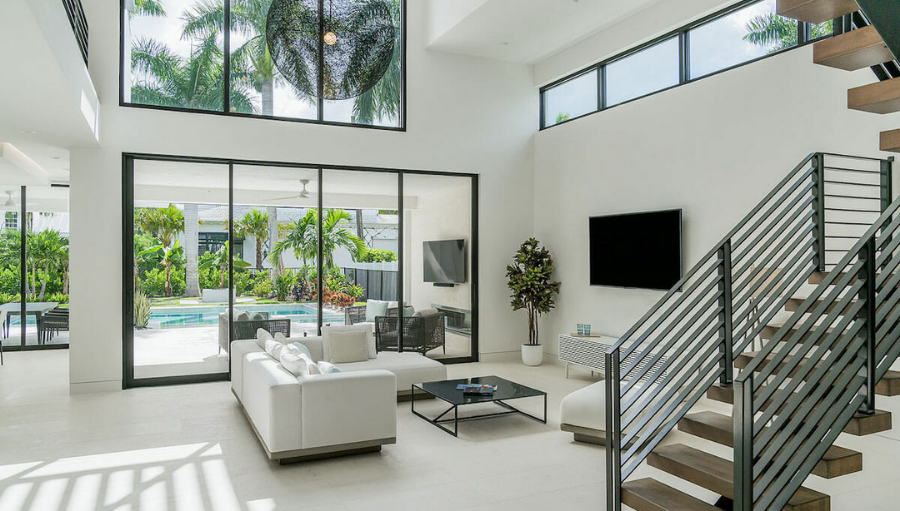
From Inspiration to Ownership A Complete Growth Approach
We build strategies that translate visual inspiration into real purchases: Partnering with creators known for their taste, lifestyle, and design perspective Showcasing products across multiple environments and use cases Producing high-quality visual content for ads, product pages, and campaigns Creating narratives that connect products to everyday routines and experiences Adapting execution across platforms for maximum discovery and engagement Every campaign is designed to move beyond inspiration—making your product feel like it already belongs in the customer’s space.
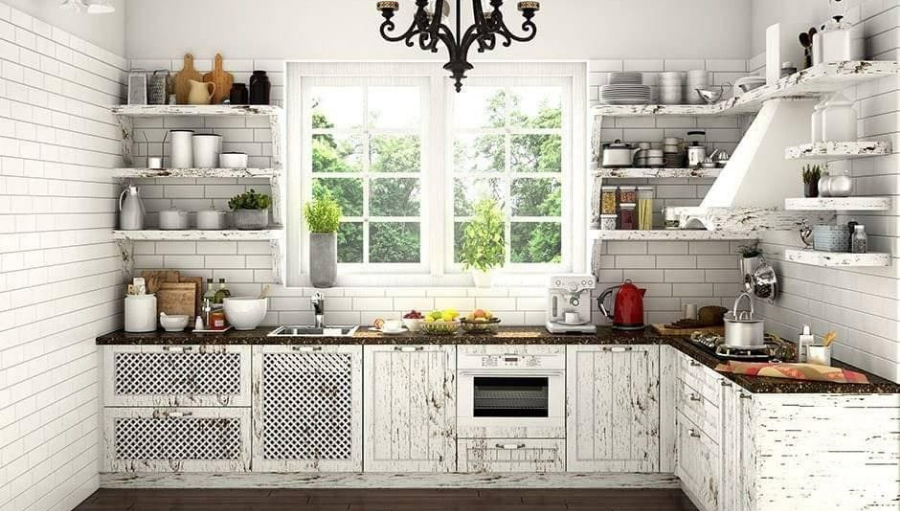
FAQ
A sofa isn't just a sofa it's the centerpiece of a living room that makes someone feel like their own home could look that way. The product matters less than the world it's placed in. Audiences buy the lifestyle, not just the item.
We show the product in multiple contexts—different homes, different styles, different use cases. By the time someone clicks through, they've seen it fit into a space that feels like theirs. The decision is already mostly made.
Expensive furniture requires investment justification—quality, longevity, timeless design. Affordable accessories focus on instant gratification, trend participation, and easy refresh. Different price points need different proof points.
Absolutely. When a trusted food creator shows how they actually use a blender, air fryer, or stand mixer in their routine, it's more convincing than any product demo. Use-case content sells appliances better than spec sheets.
Staged product placement that looks nothing like the creator's actual home. Audiences notice when a mid-century modern influencer suddenly has farmhouse decor. Authenticity matters more than reach.
Both. Static imagery works for aspiration and stopping the scroll. Video walkthroughs show scale, texture, how things actually look in motion, and give a fuller sense of the space. Layer both for maximum impact.
Exceptionally well. Transformation content shows possibility and proves impact. Before-and-afters make audiences believe their space could look that different, which drives purchase intent faster than static product shots.
Yes, through sensory storytelling and ritual-building. Show the candle as part of a wind-down routine, a dinner party atmosphere, or a weekend morning moment. Context turns a commodity into a lifestyle staple.
Show the product in both elevated and everyday settings. A vase in a designer home and a small apartment. A cutting board at a dinner party and a weeknight meal. Range makes it feel attainable.
Yes. Limited drops, seasonal exclusives, restocks of sold-out items, and "available for 48 hours" windows create urgency without devaluing the brand through constant sales.