Sustainability and ESG communication
Turn approved programmes and data into accessible creator content while preserving source context.
 Global creator marketing
TCE helps sustainability and nonprofit organisations turn documented programmes, impact and public information into clear creator-led stories without overstating the result.
See the planning model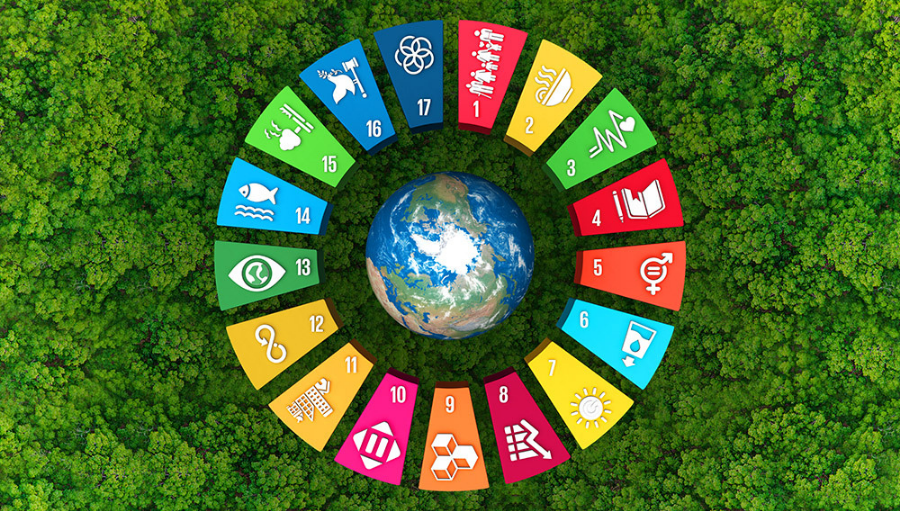
Category position
Planning decisions
Define the programme, evidence, timeframe and limits behind every impact or environmental statement.
Agree consent, representation, compensation and privacy when people or communities appear in the story.
Choose informed voices whose audience and conduct fit the mission, not reach alone.
Direct audiences to verified information, participation, donation or another approved path with clear terms.

What TCE manages
Turn approved programmes and data into accessible creator content while preserving source context.
Connect credible stories to an approved action, transparent use of funds and responsible frequency.
Explain the product, system or programme without extending environmental claims beyond the evidence.
Plan useful information, local voices, accessibility, approvals and reporting around the public objective.
Category coverage
Start with a documented use case, the intended audience and the evidence supporting environmental claims. Explain how the solution works and its limits. Distinguish product demonstrations from verified environmental outcomes.
Common questions
Greenwashing is a misleading or unsupported environmental claim. Campaign content should state the evidence, scope and limits behind every material sustainability statement.
Creators can explain a mission, document approved work and direct audiences to a verified action when the partnership and use of funds are transparent.
Use informed consent, accurate context and dignified storytelling. Do not reduce people to a fundraising device or expose sensitive information.
Impact measurement records defined changes connected to a programme. The method, period, source and limitations should remain visible.
Yes, using approved technical and environmental evidence, relevant expert voices and a documented claims review.
Track the agreed awareness, participation or donation signals while reporting attribution limits and the approved use of funds.
Start with the category decision
Discuss a sustainability and nonprofit brief