
ooh planning
&
buying (static/digital)
Overview
Out-of-Home advertising is no longer just about being seen, it’s about being seen by the
right people, in the right place, at the right moment. At TCE, our OOH planning and buying
approach blends strategic media intelligence, cultural relevance and creative storytelling to turn physical placements into powerful brand touchpoints.
We plan and buy both static and digital OOH across global and regional markets, ensuring
every placement is intentional, context-driven, and aligned with how people move, commute,
and live in real life. From iconic high-impact billboards to precision-targeted digital screens,
we help brands cut through noise and command attention offline, while amplifying impact
online.
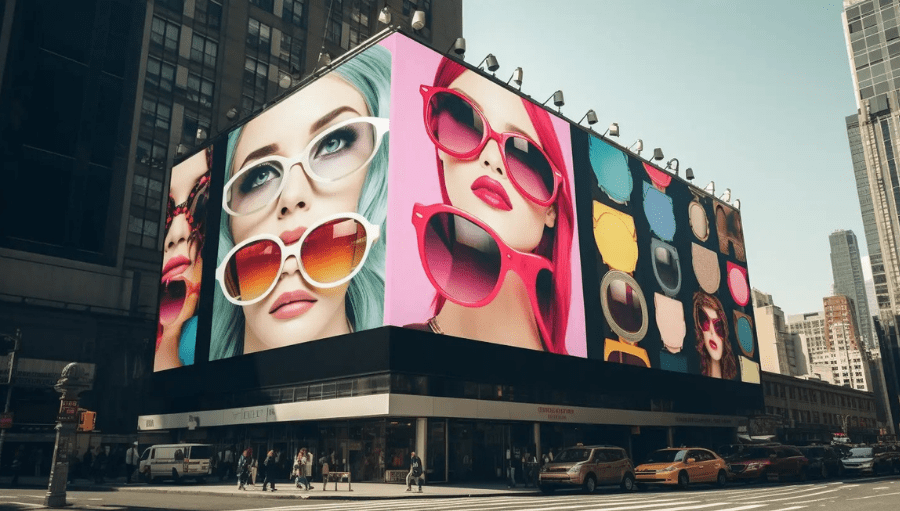
How TCE Approaches OOH Planning & Buying
● Large-format billboards (highways, city centers, landmarks)
● Building wraps & wallscapes
● Transit placements (bus shelters, metros, airports)
● Street furniture & urban placements
VIEW MORE
When brand messages invite participation and purpose drives
connection
Today’s audiences don’t just want to see brand messages, they want to engage with them,
respond to them, and believe in them. Interactive signage and sustainability-driven
campaigns create powerful opportunities for brands to turn public spaces into meaningful
two-way conversations.
At TCE, we design interactive OOH experiences that merge technology, storytelling, and
purpose, transforming static brand communication into immersive, participatory moments.
When paired with sustainability narratives, these experiences don’t just capture attention,
they build trust, relevance, and long-term brand affinity.
Our Philosophy: Interaction Creates Impact
Interaction turns audiences from observers into participants.
We believe that the most effective public-space campaigns:
● Invite people to take action, not just look
● Deliver value or meaning beyond promotion
● Align brand purpose with real-world behavior
● Feel intuitive, human, and culturally relevant
By blending interactive technology with purpose-led storytelling, we help brands create
moments that people choose to engage with, and choose to share.
Interactive Signage: From Passive Viewing to Active Participation
Interactive signage redefines what OOH can do. Instead of broadcasting a message, it
invites audiences to engage, through touch, motion, mobile interaction, or real-time
feedback.
What we design & activate:
● Touch-enabled digital screens
● QR-driven interactive displays
● Motion-sensor or gesture-based installations
● Data-responsive signage (time, weather, crowd)
● Mobile-connected experiences
These installations are strategically placed in high-footfall environments such as malls,
transit hubs, lifestyle venues, and urban spaces, where attention and curiosity naturally
converge.
Why it works:
Interaction increases dwell time, strengthens message retention, and turns a fleeting
impression into a memorable experience.
Sustainability Campaigns: Purpose That Feels Real
Sustainability is no longer a messaging trend, it’s an expectation. But audiences can quickly
tell the difference between performative messaging and meaningful action.
At TCE, we help brands communicate sustainability through experience, not slogans.
We design campaigns that:
● Educate without lecturing
● Encourage small, tangible actions
● Make impact visible and measurable
● Connect environmental values with everyday life
Examples of sustainability-led activations include:
● Interactive installations that visualize environmental impact
● Public experiences that reward sustainable behavior
● Recycling or reuse activations integrated into signage
● Data-driven storytelling around real sustainability efforts
When people can see, touch, and participate in sustainability, the message becomes
credible, and the brand becomes trustworthy.
Where Technology Meets Storytelling
The power of interactive signage lies in its ability to adapt in real time, responding to
people, context, and environment.
We integrate:
● Dynamic content updates
● Real-time audience input
● Gamified mechanics
● Educational storytelling layers
● Social and mobile extensions
Each interaction is designed to feel seamless and intuitive, removing friction and inviting
curiosity.
The result: experiences that feel less like advertising, and more like discovery.
Designed for Sharing, Built for Influence
Interactive and sustainability-driven campaigns are naturally shareable, especially when
designed through a creator-first lens.
At TCE, we intentionally design installations that:
● Encourage filming and documentation
● Inspire creator and community participation
● Translate seamlessly into social content
● Generate organic earned media
Creators play a key role in amplifying these moments, turning public interactions into stories
that travel across platforms and communities.
This ensures that impact extends far beyond the physical location.
End-to-End Execution
Interactive and sustainability campaigns require coordination across technology, creative,
logistics, and partnerships. TCE manages the entire process with precision and clarity.
Our scope includes:
● Concept & experience design
● Technology and interactive framework planning
● Sustainability narrative alignment
● Location & placement strategy
● Build, installation, and testing
● Influencer & creator integration
● Content capture & amplification
Every element is aligned to deliver both meaning and measurable impact.
Measuring Engagement & Impact
We believe purpose-led campaigns should be held to the same performance standards as
any other marketing initiative.
Depending on the campaign, we track:
● Interaction rates & dwell time
● QR scans and mobile engagement
● Participation volume
● Content creation & social reach
● Sentiment and brand perception lift
This allows brands to clearly understand how interaction translates into attention, trust,
and advocacy.
Why Interactive Signage & Sustainability Campaigns Work with
TCE
● Purpose-Driven, Not Performative: We build experiences that feel authentic and
credible.
● Technology with Intent: Every interactive layer serves a storytelling goal.
● Influencer-Integrated Thinking: Designed for creator amplification from day one.
● Culturally Intelligent Execution: Adapted to local context while maintaining global
consistency.
● Future-Focused Brand Building: Aligning brands with values that matter to modern
audiences.
When to Use Interactive Signage & Sustainability Campaigns
This service is ideal when brands want to:
● Communicate purpose in a tangible way
● Increase public engagement and dwell time
● Build trust through transparency and action
● Create meaningful public-space experiences
● Spark conversation around social or environmental impact
● Strengthen brand relevance among younger, values-driven audiences

Why it works
● Photogenic and share-worthy
● Built to spark social conversation
● A backdrop for creator content
● A moment for IRL storytelling
● A catalyst for UGC and earned media
● Market-Smart Buying & Negotiation
● Measurement & Impact Beyond Impressions
VIEW MORE
When brand messages invite participation and purpose drives
connection
Today’s audiences don’t just want to see brand messages, they want to engage with them,
respond to them, and believe in them. Interactive signage and sustainability-driven
campaigns create powerful opportunities for brands to turn public spaces into meaningful
two-way conversations.
At TCE, we design interactive OOH experiences that merge technology, storytelling, and
purpose, transforming static brand communication into immersive, participatory moments.
When paired with sustainability narratives, these experiences don’t just capture attention,
they build trust, relevance, and long-term brand affinity.
Our Philosophy: Interaction Creates Impact
Interaction turns audiences from observers into participants.
We believe that the most effective public-space campaigns:
● Invite people to take action, not just look
● Deliver value or meaning beyond promotion
● Align brand purpose with real-world behavior
● Feel intuitive, human, and culturally relevant
By blending interactive technology with purpose-led storytelling, we help brands create
moments that people choose to engage with, and choose to share.
Interactive Signage: From Passive Viewing to Active Participation
Interactive signage redefines what OOH can do. Instead of broadcasting a message, it
invites audiences to engage, through touch, motion, mobile interaction, or real-time
feedback.
What we design & activate:
● Touch-enabled digital screens
● QR-driven interactive displays
● Motion-sensor or gesture-based installations
● Data-responsive signage (time, weather, crowd)
● Mobile-connected experiences
These installations are strategically placed in high-footfall environments such as malls,
transit hubs, lifestyle venues, and urban spaces, where attention and curiosity naturally
converge.
Why it works:
Interaction increases dwell time, strengthens message retention, and turns a fleeting
impression into a memorable experience.
Sustainability Campaigns: Purpose That Feels Real
Sustainability is no longer a messaging trend, it’s an expectation. But audiences can quickly
tell the difference between performative messaging and meaningful action.
At TCE, we help brands communicate sustainability through experience, not slogans.
We design campaigns that:
● Educate without lecturing
● Encourage small, tangible actions
● Make impact visible and measurable
● Connect environmental values with everyday life
Examples of sustainability-led activations include:
● Interactive installations that visualize environmental impact
● Public experiences that reward sustainable behavior
● Recycling or reuse activations integrated into signage
● Data-driven storytelling around real sustainability efforts
When people can see, touch, and participate in sustainability, the message becomes
credible, and the brand becomes trustworthy.
Where Technology Meets Storytelling
The power of interactive signage lies in its ability to adapt in real time, responding to
people, context, and environment.
We integrate:
● Dynamic content updates
● Real-time audience input
● Gamified mechanics
● Educational storytelling layers
● Social and mobile extensions
Each interaction is designed to feel seamless and intuitive, removing friction and inviting
curiosity.
The result: experiences that feel less like advertising, and more like discovery.
Designed for Sharing, Built for Influence
Interactive and sustainability-driven campaigns are naturally shareable, especially when
designed through a creator-first lens.
At TCE, we intentionally design installations that:
● Encourage filming and documentation
● Inspire creator and community participation
● Translate seamlessly into social content
● Generate organic earned media
Creators play a key role in amplifying these moments, turning public interactions into stories
that travel across platforms and communities.
This ensures that impact extends far beyond the physical location.
End-to-End Execution
Interactive and sustainability campaigns require coordination across technology, creative,
logistics, and partnerships. TCE manages the entire process with precision and clarity.
Our scope includes:
● Concept & experience design
● Technology and interactive framework planning
● Sustainability narrative alignment
● Location & placement strategy
● Build, installation, and testing
● Influencer & creator integration
● Content capture & amplification
Every element is aligned to deliver both meaning and measurable impact.
Measuring Engagement & Impact
We believe purpose-led campaigns should be held to the same performance standards as
any other marketing initiative.
Depending on the campaign, we track:
● Interaction rates & dwell time
● QR scans and mobile engagement
● Participation volume
● Content creation & social reach
● Sentiment and brand perception lift
This allows brands to clearly understand how interaction translates into attention, trust,
and advocacy.
Why Interactive Signage & Sustainability Campaigns Work with
TCE
● Purpose-Driven, Not Performative: We build experiences that feel authentic and
credible.
● Technology with Intent: Every interactive layer serves a storytelling goal.
● Influencer-Integrated Thinking: Designed for creator amplification from day one.
● Culturally Intelligent Execution: Adapted to local context while maintaining global
consistency.
● Future-Focused Brand Building: Aligning brands with values that matter to modern
audiences.
When to Use Interactive Signage & Sustainability Campaigns
This service is ideal when brands want to:
● Communicate purpose in a tangible way
● Increase public engagement and dwell time
● Build trust through transparency and action
● Create meaningful public-space experiences
● Spark conversation around social or environmental impact
● Strengthen brand relevance among younger, values-driven audiences

When to Use OOH Planning & Buying
● Establish strong market presence
● Launch or relaunch at scale
● Own cultural or seasonal moments
● Support influencer & experiential campaigns
● Build credibility and top-of-mind awareness
● Create physical moments that fuel digital conversation
Strategic visibility in the real world powered by data, culture, and creativity
OOH isn’t just about being visible. It’s about being unforgettable. At TCE, we turn streets, cities, and screens into strategic brand moments where culture, creativity, and influence meet the real world.
HOW TCE APPROACHES OOH PLANNING & BUYING
Audience-First, Not Placement-First
Instead of starting with inventory, we start with human behavior. We analyze who your audience is, where they spend time, how they move through cities, and what moments matter most in their daily routines.
Our planning considers:
● Urban vs suburban movement patterns
● Commuter routes, dwell time, and peak exposure windows
● Cultural moments, local relevance, and seasonal behavior
Market-Smart Buying & Negotiation
As a global influencer agency with regional execution capabilities, TCE brings strong market intelligence into media buying.
Our buying approach includes:
● Market-by-market media evaluation
● Cost-efficiency and reach optimization
● Flexible flighting and rollout planning
Measurement & Impact Beyond Impressions
OOH should not be unmeasurable. We align physical placements with digital touchpoints to track impact across awareness, engagement, and downstream action.
Depending on campaign structure, this can include:
● QR codes & trackable URLs
● Geo-based exposure mapping
● Social lift and earned media analysis
FAQ
That usually depends on the campaign objective. Static placements are often stronger for long-term visibility and mass awareness, while digital OOH works better when brands need flexibility, location-specific messaging or time-sensitive creative updates.
Yes. OOH is often used during launches to create large-scale visibility quickly, especially when combined with creator campaigns, experiential activations or digital amplification.
Performance is usually evaluated through a mix of visibility, social amplification, audience engagement, traffic lift, branded search activity, QR interactions and broader campaign impact rather than impressions alone.
Because OOH is experienced in motion. Understanding how people commute, where they spend time, and how long they interact with environments helps determine whether placements actually capture attention effectively.
Yes, but the role of OOH has evolved. Strong OOH campaigns today are often designed to work alongside digital marketing rather than separately from it. A billboard or digital screen may create initial visibility in the real world, while creators, social sharing, paid media and online conversations extend that attention much further digitally.
Location plays a huge role in how people experience an OOH campaign. A placement outside a fashion district, business hub, airport, university area, or nightlife zone will all attract very different audiences and attention patterns. For example, a luxury fashion campaign in a high-end shopping area creates a very different perception than the same creative placed randomly on a highway. The goal is not just visibility, but contextual relevance.
Digital OOH allows campaigns to be much more flexible and responsive while they’re live. For example, a brand can display different messaging during morning commute hours versus evening traffic, rotate creatives across locations or adapt messaging around weather, events or audience activity instead of keeping one static design in place for weeks.
Usually by making the campaign feel connected to the environment and audience rather than placing the exact same message everywhere. A campaign running in New York, Tokyo or Los Angeles may require different creative references, placement styles, timing or messaging depending on how people interact with those cities and cultural moments locally.
People often only have a few seconds to process outdoor advertising while moving through environments. Strong OOH creative is usually clear, visually focused, and immediately understandable rather than overly detailed.
Yes. OOH campaigns can be scaled based on the campaign objective and market size. Brands don’t always need premium landmark billboards or citywide takeovers to create impact. Smaller-format placements, localized campaigns, transit media or selective digital screens are often used to build visibility more cost-effectively while still reaching the right audience.