
FOOD & BEVERAGE
Driving Cravings, Discovery & Brand Recall
Food decisions are driven by emotion, experience, and recommendation. Today, those recommendations happen online—through creators, short-form videos, and communities that influence what people want to eat next. A single piece of content can turn a product, restaurant, or dish into something audiences immediately want to try. We help food and beverage brands create creator-led campaigns that turn attention into appetite and visibility into demand.
Why Authentic Recommendations Drive Food Culture
Food is one of the most sensory and emotionally connected categories. Audiences respond to content that feels real, relatable, and emotionally familiar. Whether it’s comfort food, wellness-driven products, or a restaurant experience, the strongest campaigns are the ones that feel like genuine recommendations rather than advertisements. We align your brand with creators whose audiences trust their taste, lifestyle, and opinions—ensuring your product is introduced naturally within moments people already relate to.
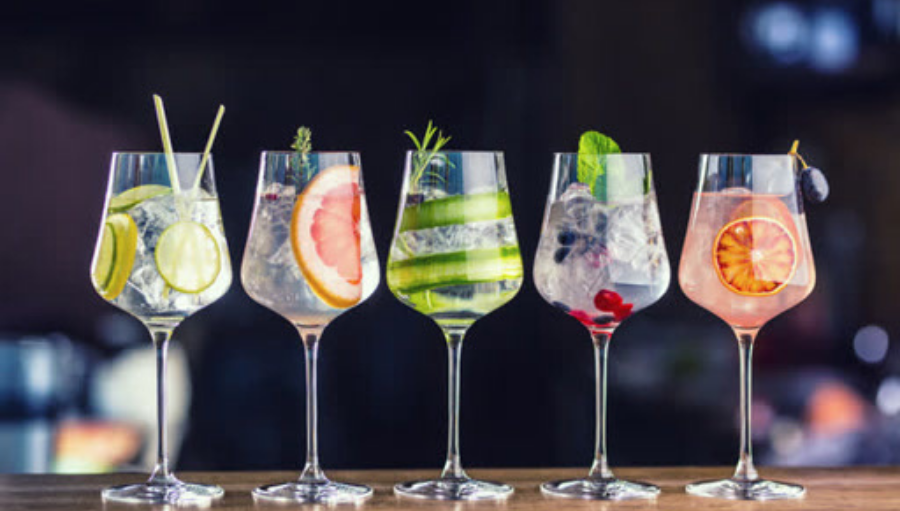
From Discovery to Desire A Complete Growth Approach
We design strategies that connect your brand to real consumer behavior and cultural moments: Partnering with food, lifestyle, wellness, and travel creators Creating visually driven, platform-native food content Building launch campaigns for products, menus, and new locations Strengthening community engagement around food culture and experiences Executing localized campaigns tailored to regional tastes and behaviors Every campaign is designed to move beyond visibility—making your product feel memorable, desirable, and worth trying.

FAQ
Food decisions are highly influenced by trust and relatability. People are more likely to try a dish or brand when they see someone they trust enjoying it in a real-life context. Creator content feels like a recommendation, not an ad, which makes it far more persuasive.
Strong food content creates an immediate sensory response. It’s not just about visuals—it’s about texture, sound, context, and emotion. When done well, it makes viewers imagine the experience, not just see the product.
Yes. Food is part of everyday life, so it naturally fits into multiple content categories. A product placed within a relatable context—like a routine, lifestyle, or experience—often performs better than isolated food content.
Campaigns that focus on real-life consumption moments tend to perform best. This includes daily routines, cravings, social gatherings, or specific use cases that make the product feel relevant and natural.
Yes. Food preferences, cultural context, and content styles vary significantly across markets. Campaigns need to be localized to reflect regional tastes, habits, and cultural nuances.
Storytelling adds depth beyond visuals. It connects the product to emotions, memories, or experiences, making the content more memorable and meaningful to the audience.
Results can range from increased awareness and engagement to direct impact on store visits, orders, and product trials. The outcome depends on how well the campaign aligns with real consumer behavior.
Yes. Strong digital content often translates into offline action, whether it’s visiting a restaurant, trying a product, or recommending it to others.
Food is deeply tied to personal experiences, culture, and nostalgia. Campaigns that tap into these emotional connections create stronger engagement and leave a lasting impression.
Variation in creators, formats, and storytelling keeps content dynamic. Different angles recipes, reviews, experiences, or routines help maintain interest even within the same campaign.